

The way people communicate and work has changed significantly in recent years. Businesses, schools, families, and communities increasingly rely on digital communication to stay connected across different locations. Zoom has become a widely recognized platform for online meetings, collaboration, and virtual communication, helping people interact when meeting in person is not always practical.
Bringing People Together Online
One of the main advantages of Zoom is its ability to connect people through video and audio communication. Users can participate in meetings from computers, smartphones, and other compatible devices, making communication more flexible.
This can be particularly valuable for teams working across different cities or countries. Instead of coordinating travel for every discussion, colleagues can meet virtually and share ideas in real time. For businesses, this can save time while supporting more flexible working arrangements.
Supporting Remote and Hybrid Work
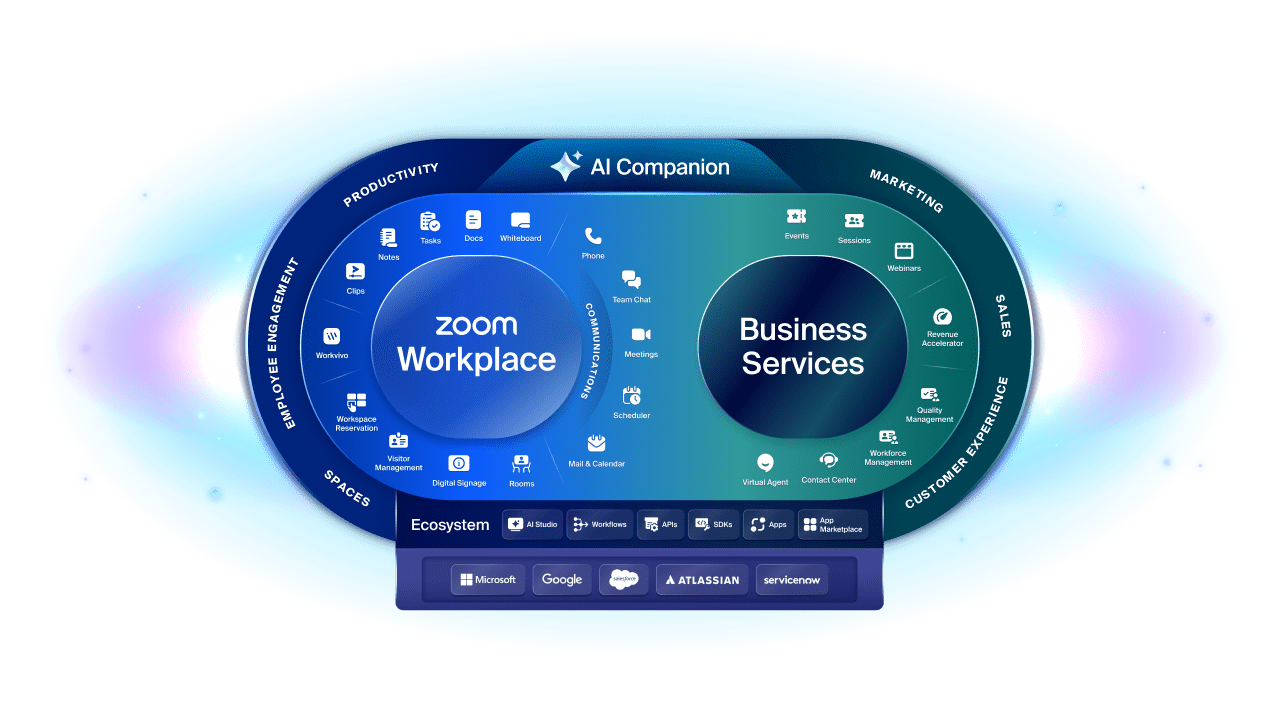
Remote and hybrid work have become important parts of modern employment. Employees may work from home, from coworking spaces, or from different offices while still needing regular communication with colleagues.
Zoom provides meeting and collaboration capabilities that can help distributed teams maintain connections. Video meetings can be used for team discussions, project updates, training sessions, presentations, and one-to-one conversations.
A well-organized virtual meeting can also help teams maintain a sense of connection, particularly when employees rarely share the same physical workplace.
Useful for Education and Training
Digital communication has also transformed education and professional development. Teachers, trainers, instructors, and organizations can use virtual meetings to deliver lessons, workshops, presentations, and training sessions.
Zoom’s interactive meeting environment can allow participants to communicate rather than simply watch a recording. Features such as screen sharing and other collaboration tools can make online sessions more engaging and practical.
For organizations with employees in multiple locations, virtual training can also make it easier to deliver consistent learning experiences without requiring everyone to travel.
Helping Businesses Communicate with Customers
Video communication is not limited to internal meetings. Companies can also use virtual meetings to communicate with clients, partners, and prospective customers.
A virtual conversation can be useful for demonstrations, consultations, presentations, project discussions, and support. This creates opportunities for businesses to maintain personal communication even when customers are located far away.
For international organizations, online meetings can make cross-border collaboration more convenient and reduce some of the logistical challenges associated with face-to-face meetings.
Features That Encourage Collaboration

Effective virtual communication requires more than simply seeing and hearing participants. People often need to share information, present ideas, and work together during a session.
Zoom includes collaboration-oriented capabilities that can support these activities. Screen sharing, chat, meeting controls, and other features can help participants exchange information while a meeting is taking place.
The specific tools available can vary depending on the Zoom product and subscription plan, so organizations can choose options that match their communication requirements.
Virtual Events and Presentations
Online communication has also created new possibilities for events. Businesses and organizations can host presentations, webinars, workshops, and other virtual gatherings for audiences who may not be able to attend physically.
This approach can expand the potential reach of an event while reducing travel requirements. It can also make participation more accessible for people in different locations.
Communication Beyond the Office
Zoom can also be useful outside traditional workplace settings. Families and friends separated by distance can use video communication to maintain regular contact, celebrate special occasions, or simply catch up.
For individuals who travel frequently or live far from relatives, virtual communication can provide a convenient way to stay connected without requiring everyone to be in the same place.
Creating Better Virtual Meetings

Technology alone does not guarantee a successful online meeting. Good preparation remains important. Organizers can create clear agendas, share relevant materials in advance, encourage participation, and keep meetings focused.
Participants can also improve the experience by checking their internet connection, microphone, camera, and surroundings before joining an important meeting.
When technology and good communication practices work together, virtual meetings can become productive alternatives to many in-person conversations.
Conclusion
Zoom has become an important part of the digital communication landscape, helping people connect for work, education, business, events, and personal conversations. Its virtual meeting environment provides flexibility for individuals and organizations that need to communicate across distances.
As remote collaboration and digital interaction continue to evolve, platforms like Zoom can help bridge geographical gaps and create new ways for people to share ideas, learn, collaborate, and maintain meaningful connections.