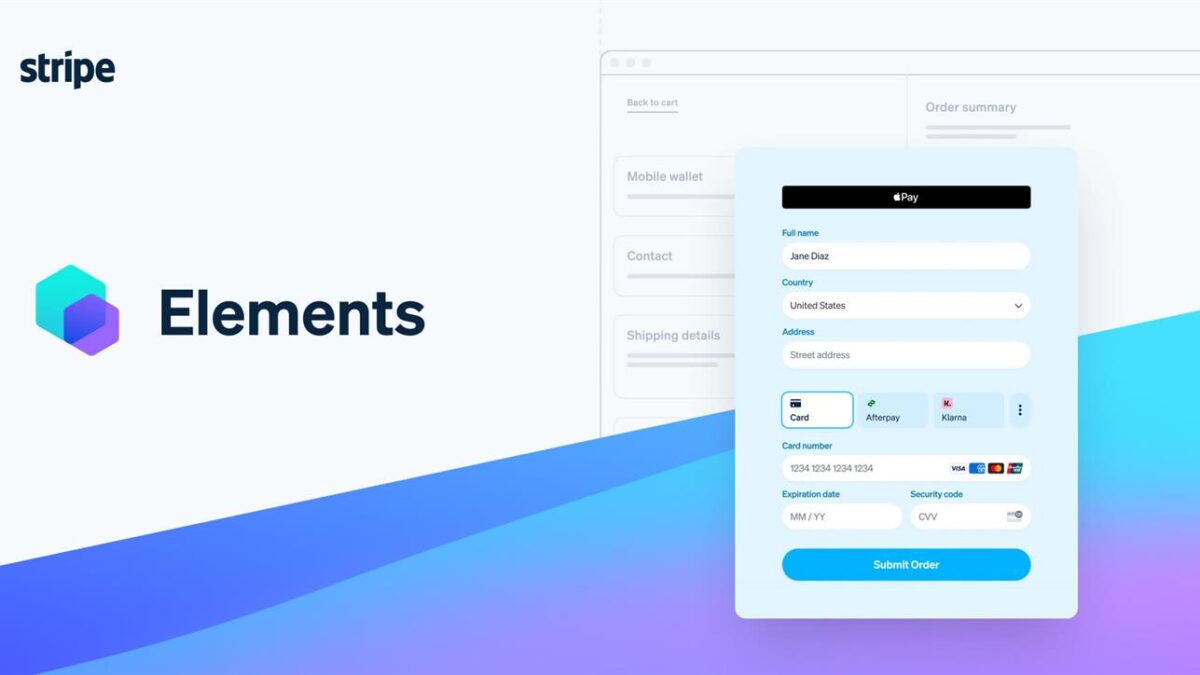

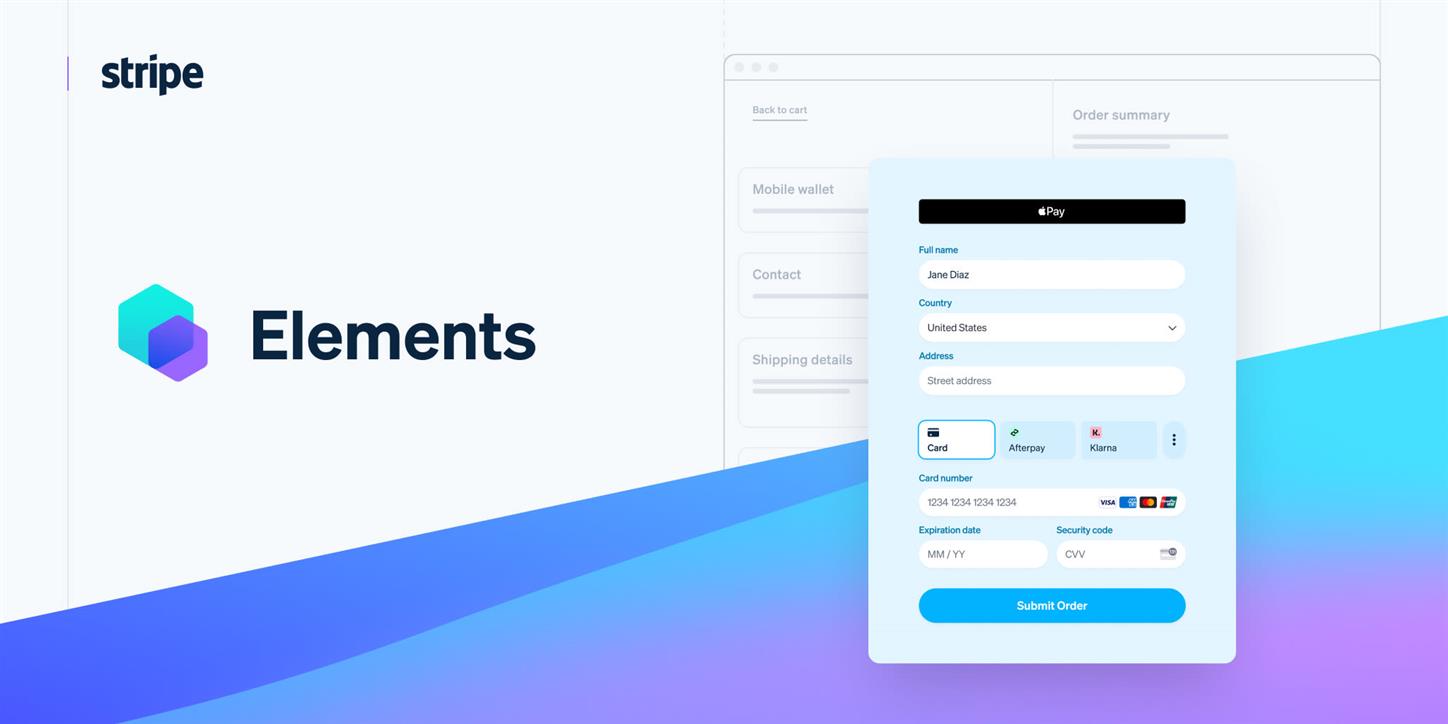
The way people buy products and services has changed dramatically with the growth of e-commerce, mobile technology, subscriptions, and digital marketplaces. Businesses today need payment solutions that can keep pace with customers who expect fast, secure, and convenient checkout experiences. Stripe has become a prominent technology platform helping businesses manage online payments and other aspects of digital commerce.
A Payment Platform Built for the Internet
Stripe provides technology that enables businesses to accept payments online and manage financial processes through digital infrastructure. Its services are designed for companies ranging from new startups to established global organizations.
For an online business, payment processing is a critical part of the customer journey. A complicated or unreliable checkout can discourage customers from completing a purchase. Stripe’s tools are intended to help businesses create streamlined payment experiences while supporting different payment methods and business models.
Supporting E-Commerce Businesses
Online stores need more than attractive websites and quality products. They also require reliable systems for handling transactions, refunds, payment information, and other financial operations.
Stripe provides tools that can be integrated into e-commerce websites and applications, allowing businesses to build payment experiences suited to their needs. This flexibility can be valuable for companies that want greater control over how customers interact with their checkout process.
Designed for Growing Businesses

Startups and small businesses often begin with straightforward payment requirements but may eventually expand into new markets or introduce additional products and services. A payment infrastructure that can grow with the company can reduce the need for major technology changes later.
Stripe offers a range of products intended to support businesses as their operations become more sophisticated. Companies can use relevant services for payments and other financial workflows depending on their individual requirements.
Global Commerce and Multiple Payment Methods
Customers around the world have different preferences for how they pay. Credit and debit cards remain important, but digital wallets, bank-based payments, and other local methods are also widely used in different markets.
For businesses operating internationally, supporting appropriate payment methods can help create a more convenient customer experience. Stripe provides access to various payment options and international capabilities, subject to availability by market and business type.
More Than Payment Processing
Digital commerce involves numerous financial processes beyond accepting a payment. Businesses may need to manage subscriptions, invoices, recurring transactions, refunds, fraud prevention, and financial reporting.
Stripe provides products addressing several of these areas, giving businesses the opportunity to build a broader financial infrastructure around their online operations. This can reduce reliance on numerous disconnected systems and help organizations manage important processes more efficiently.
Subscription and Recurring Businesses
Subscription-based companies have become increasingly common across software, media, education, fitness, and other industries. These businesses need systems capable of handling recurring payments and changing subscription plans.
Stripe offers tools that can support recurring billing models, helping companies manage subscriptions and related payment workflows. This allows businesses to focus more attention on their products and customer relationships rather than manually managing repetitive billing processes.
Security and Fraud Considerations
Payment security is essential for both businesses and customers. Online companies need to protect sensitive financial information while reducing the risk of fraudulent transactions.
Stripe incorporates security and fraud-prevention technologies into its payment infrastructure. Businesses can use available tools to help identify potentially suspicious activity and establish appropriate payment controls. As with any financial technology, companies should configure these tools according to their own risk requirements and applicable regulations.
Helping Developers Build Custom Experiences
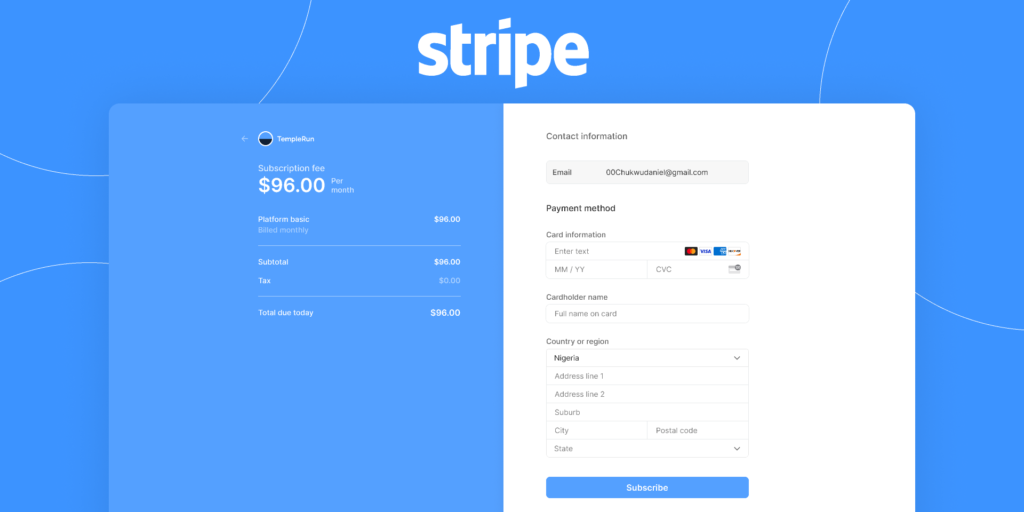
One feature that has contributed to Stripe’s popularity among technology-focused businesses is its developer-oriented approach. APIs and software tools allow developers to integrate payment and financial functionality into websites, mobile applications, and other digital products.
This flexibility can be especially useful for companies that want to create customized customer experiences rather than relying entirely on a standardized checkout system.
The Future of Digital Commerce
As commerce continues moving toward digital channels, businesses need infrastructure that can support changing customer expectations. Faster checkout experiences, international sales, subscriptions, marketplaces, and embedded financial services are all becoming important parts of the modern business environment.
Stripe’s technology-focused ecosystem gives companies tools for participating in this evolving landscape while allowing them to build solutions around their specific business models.
Conclusion
Stripe plays an important role in modern digital commerce by providing businesses with technology for payments and related financial processes. From online retailers and subscription services to startups and global platforms, its tools can help organizations create more efficient payment experiences.
For businesses building or expanding digital operations, choosing the right financial infrastructure can have a significant impact on growth and customer experience. Stripe’s combination of payment capabilities, developer tools, and broader commerce solutions makes it a notable option for companies navigating the increasingly connected world of online business.